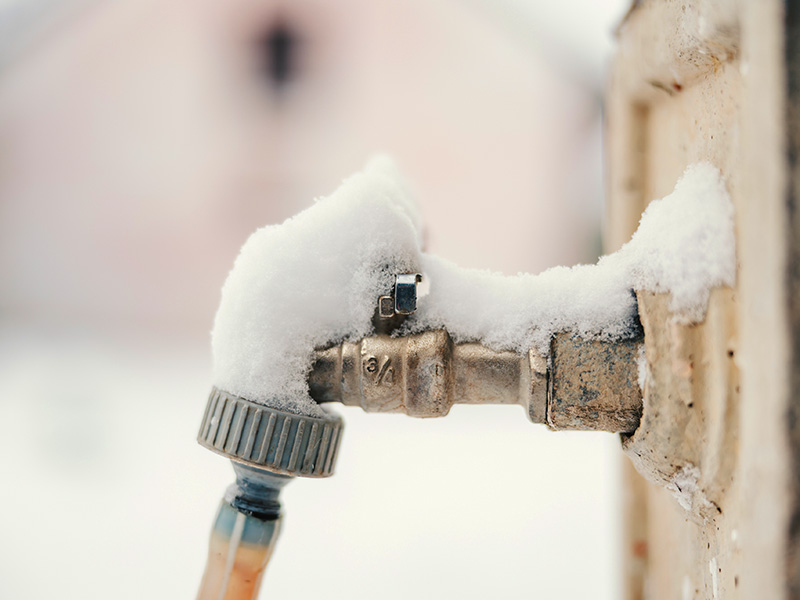
The first freezing night of the season can expose plumbing problems you didn’t know existed. A garden hose left connected, an uninsulated pipe, or a neglected outdoor faucet can lead to costly water damage when temperatures drop.
Fortunately, preparing your plumbing for colder weather doesn’t have to be complicated. A few preventive steps can protect your pipes, fixtures, and water supply throughout winter. Apple Plumbing, Heating & Air helps homeowners address plumbing concerns before they become major disruptions, so you can feel more confident about your home’s plumbing when cold weather arrives.
1. Winterize Outdoor Faucets and Water Connections
Your outdoor plumbing is particularly vulnerable to freezing temperatures because it receives little protection from your home’s heating system. Water trapped inside an exposed faucet or supply line can freeze and expand, potentially damaging plumbing components.
One of the simplest ways to protect your exterior plumbing is to disconnect anything attached to your outdoor faucets. Garden hoses, splitters, and watering attachments can trap water inside the connection, even when you have a frost-free faucet.
Start with these outdoor plumbing tasks:
- Disconnect and drain garden hoses.
- Remove faucet splitters and attachments.
- Store hoses in a protected location.
- Check outdoor faucets for leaks.
- Shut off and drain seasonal water lines where applicable.
Once you’ve removed your hoses, determine whether your outdoor faucets have dedicated indoor shutoff valves. Some homes allow you to isolate exterior plumbing without interrupting the rest of the water supply. If your system has these valves, follow the appropriate procedure for shutting off and draining the lines.
Don’t Overlook Frost-Free Faucets
Frost-free faucets are designed to reduce freezing risks by positioning their shutoff mechanisms farther inside the home. However, they can still freeze if hoses remain connected, water becomes trapped, or the faucets aren’t installed correctly.
You should also consider outdoor water connections serving irrigation systems, detached buildings, or seasonal equipment. These may require separate winterization procedures to remove trapped water safely. If you’re unsure how your exterior plumbing is configured, a professional plumber can help determine which connections need additional protection.
2. Protect Pipes in Unheated and Poorly Insulated Areas
Some of the most serious winter plumbing problems begin in spaces you rarely visit. Crawl spaces, unfinished basements, garages, and exterior walls can become cold enough for water inside supply lines to freeze. When ice forms inside a pipe, pressure can build and eventually cause the pipe to rupture.
The damage may remain hidden until temperatures rise and water begins escaping through the affected section. Identifying vulnerable plumbing early gives you an opportunity to improve freeze protection before an unexpected leak damages your home.
Identify Pipes Most Vulnerable to Freezing
Start by locating accessible water supply lines in areas that aren’t consistently heated. Pay particular attention to pipes near foundation vents, exterior openings, and poorly insulated walls.
Common problem locations include:
- Unheated basements and crawl spaces
- Garages and unfinished utility rooms
- Attics containing water supply lines
- Cabinets along exterior walls
- Areas with noticeable cold drafts
If you’ve experienced frozen pipes before, inspect those locations carefully because previous freezing problems may indicate insulation gaps, air leaks, or exposed plumbing. Addressing these conditions can help reduce the likelihood of recurring problems during extended periods of cold weather.
Add Appropriate Freeze Protection
Foam pipe insulation is a practical option for many accessible water lines. It helps slow heat loss and is relatively easy to install when you use the correct size and material. However, insulation alone doesn’t guarantee that pipes won’t freeze during prolonged cold weather.
Severely exposed plumbing may require additional measures, such as sealing nearby air leaks, improving surrounding insulation, or installing approved heat cable. Avoid placing portable heaters or other unsafe heating devices near plumbing. Our team at Apple Plumbing, Heating & Air can help evaluate potential freezing risks and recommend appropriate solutions when basic insulation isn’t enough.
3. Find and Repair Plumbing Leaks Before Winter
An occasional drip beneath the sink or a faucet that won’t completely shut off might not seem urgent. However, small plumbing leaks can waste water, damage surrounding materials, and become more inconvenient to repair during colder weather.
Although freezing temperatures don’t automatically make every leak worse, existing plumbing problems can leave your home vulnerable to additional water damage. Addressing these concerns early means you won’t have to manage preventable leaks alongside other seasonal plumbing issues.
Inspect Fixtures and Accessible Water Lines
Begin by checking the plumbing connections and fixtures you use regularly. Look beneath kitchen and bathroom sinks, around toilets, and near washing machine connections for visible moisture or deterioration.
Watch for these common warning signs:
- Damp cabinets or flooring
- Water stains on walls or ceilings
- Corrosion around exposed fittings
- Persistent dripping faucets
- Unexplained increases in water usage
Some leaks develop behind walls or beneath finished surfaces, making them difficult to identify. If you notice recurring moisture, musty odors, or unexplained water stains, professional leak detection may be necessary.
You can also check your water meter for unexpected usage by turning off all water-using fixtures and appliances. If the meter continues registering consumption, you may have a hidden leak that requires further investigation.
Address Problems Before They Cause More Damage
Not every plumbing leak can be resolved by tightening a connection or replacing a washer. Corroded fittings, deteriorating pipes, and damaged supply lines may require professional repair or replacement. Attempting to force weakened connections can make an existing problem worse.
A qualified plumber can identify the source of the leak and determine the appropriate repair. Taking care of these issues promptly helps protect surrounding materials and reduces the possibility of more extensive water damage.
4. Prepare Your Water Heater for Colder Weather
Your water heater works throughout the year, but winter can place additional demands on its performance. Incoming water may be colder during winter, meaning your equipment needs more energy to bring it to the desired temperature.
If your water heater already has performance problems, you may notice them more when you’re relying on consistent hot water. Checking its condition ahead of time can help you identify concerns that should be addressed before they interfere with your daily routine.
Watch for Changes in Hot Water Performance
Think about how consistently your water heater has met your household’s needs. If hot water runs out sooner than expected, takes longer to recover, or fluctuates in temperature, your equipment may need professional service.
Traditional tank water heaters can accumulate sediment over time, potentially affecting efficiency and contributing to operating noise. Tankless systems have different maintenance requirements, but mineral buildup can also interfere with their performance, especially in homes with hard water.
Check the area around your water heater for moisture, corrosion, or visible deterioration. If you notice active leaking or significant changes in performance, arranging an inspection can help prevent additional damage or an unexpected loss of hot water.
Keep Up With Recommended Maintenance
The maintenance your water heater needs depends on its design, age, water quality, and manufacturer recommendations. Understanding these differences helps you avoid unnecessary service while ensuring important components receive appropriate care.
Depending on your equipment, maintenance may include:
- Flushing sediment from a storage tank
- Inspecting the anode rod
- Checking for corrosion or leakage
- Descaling a tankless water heater
- Evaluating heating and safety controls
Water heater maintenance can involve hot water, electrical connections, gas components, and pressurized systems, so certain tasks should be left to a qualified professional. Apple Plumbing, Heating & Air provides water heater repair and replacement services for traditional tank and tankless systems. If your equipment isn’t meeting your household’s needs, we can help determine whether maintenance, repairs, or replacement would be the most appropriate solution.
5. Plan Ahead for Freezing Temperatures and Plumbing Emergencies
Even after completing routine maintenance, extended freezing weather can threaten vulnerable plumbing. Pipes in exterior walls, unheated rooms, and poorly insulated areas may still freeze when temperatures remain low for prolonged periods.
Preparing for severe cold involves more than protecting exposed pipes. You should also know how to respond if your water supply becomes restricted or a pipe bursts, especially when immediate action could help limit property damage.
Maintain Adequate Indoor Heat
Keeping your home warm helps protect pipes that rely on indoor heating to prevent freezing. If you’re traveling during winter, avoid shutting your heating system off completely. A thermostat setting of at least 55°F is commonly recommended when you’re away, although homes with exposed or poorly insulated plumbing may need additional protection.
During extreme cold, you can take several precautions:
- Keep garage doors closed when plumbing runs through the garage.
- Open sink cabinet doors to circulate warm air.
- Maintain consistent indoor temperatures.
- Let vulnerable faucets drip slightly when appropriate.
If you open cabinets, keep household chemicals safely away from children and pets. These precautions can provide additional protection during unusually cold conditions, but they shouldn’t replace proper insulation or necessary plumbing repairs.
Locate Your Main Water Shutoff Valve
Knowing how to shut off your water supply can help limit damage if a pipe bursts. Your main shutoff valve may be located in a basement, utility area, crawl space, or near the point where the water line enters your home. Find the valve before an emergency occurs and make sure it’s accessible.
If the valve is stuck, corroded, or difficult to operate, don’t force it. Have a plumber inspect the connection so you can rely on it when needed. You should also make sure other household members know where the valve is located and how to shut off the water safely.
If you suddenly lose water pressure during freezing weather, a pipe may be frozen. Never use an open flame or torch to thaw plumbing, as this can cause damage or create a fire hazard. If you suspect a pipe has burst, shut off your main water supply when it’s safe to do so and contact a qualified plumber.
Our team can help assess frozen or damaged plumbing, identify necessary repairs, and restore your water supply. Prompt professional attention can also help you determine whether additional protection is needed to prevent similar problems in the future.
Get Your Plumbing Ready for Winter With Apple Plumbing, Heating & Air
Preparing your plumbing before colder weather arrives can help you avoid frozen pipes, unexpected leaks, and costly water damage. Winterizing outdoor faucets, insulating vulnerable pipes, repairing leaks, maintaining your water heater, and planning for emergencies all help protect your home.
With Apple Plumbing, Heating & Air, you have a team ready to help with professional plumbing repairs, water heater services, and winter plumbing concerns. We’re committed to providing dependable solutions that keep your plumbing working properly through the colder months.
Contact Apple Plumbing, Heating & Air today to schedule plumbing service and prepare your home before freezing temperatures arrive.