When your air conditioner runs for a long time, but your home still feels too warm, the problem isn’t always a failing AC system. Slow cooling can come from restricted airflow, thermostat settings, dirty components, excess heat entering your home, or a mechanical issue that needs professional attention.
If your AC is taking longer than usual to cool your house, start with the simple checks you can handle safely. When those steps don’t help, it may be time to have your system professionally inspected.
How Long Should It Take an AC to Cool Your House?
There isn’t one exact cooling timeframe that applies to every home. The outdoor temperature, humidity, insulation, size of your home, thermostat setting, and condition of your equipment all affect how quickly your indoor temperature changes.
On very warm or humid days, longer cooling cycles can also be normal because your AC is removing both heat and moisture, which is a more demanding task. The bigger concern is a noticeable change in performance.
An AC that used to reach your thermostat setting in a reasonable amount of time but now runs much longer or never seems to catch up may have an underlying problem.
Start By Checking Your Air Filter
A dirty HVAC filter is one of the easiest problems to check. Your cooling system needs steady airflow to pull warm air through your return ducts, move it across the evaporator coil, and send cooled air back into your rooms.
When your filter becomes clogged, airflow can drop. Your AC may continue running, but it can have a harder time moving enough conditioned air through your home.
Check your filter and replace or clean it according to the manufacturer’s instructions. A clean filter won’t solve every AC cooling problem, but it can quickly rule out a common source of restricted airflow.
Check Your Thermostat Settings
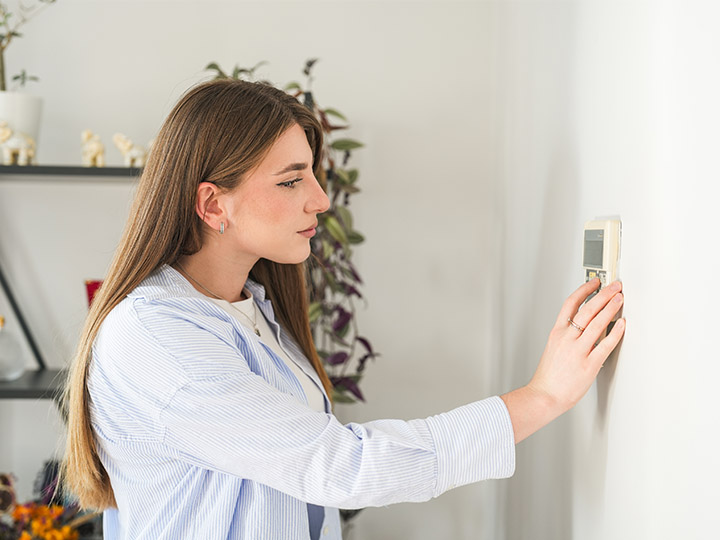
Before assuming there’s a mechanical problem, make sure your thermostat is set to “cool” and the target temperature is below your current indoor temperature. These basic settings tell your AC when to start a cooling cycle and what temperature it should maintain.
Next, check your fan setting. If it’s set to “on,” your blower will continue circulating air after the cooling cycle ends, which can make the air coming from your vents feel warmer. Setting the fan to “auto” allows it to run with the cooling cycle instead.
Lowering your thermostat several extra degrees won’t make a standard central air conditioner cool your home faster. When your AC is already running, but the indoor temperature still isn’t dropping as expected, your thermostat setting probably isn’t the main issue.
Make Sure Your Vents and Returns Are Clear
Your HVAC system depends on a clear path for both supply and return air. Furniture, curtains, rugs, storage, and closed registers can interfere with circulation and make some areas of your home harder to cool.
Walk through your home and make sure your supply vents are open and unobstructed. Keep your return grilles clear as well so your system can pull enough air back to the equipment.
Rooms that stay much warmer even when your vents are clear may point to duct leakage, duct design, insulation, or airflow balancing issues.
Dirty AC Coils Can Reduce Cooling Performance
Your air conditioner cools your home by moving heat from inside to the outdoors. Your indoor evaporator coil absorbs heat, while your outdoor condenser coil releases it.
When dirt builds up on either coil, heat transfer can become less effective. Your AC may run longer because it has to work harder to remove heat from your home.
During professional AC maintenance, we can inspect your coils and determine whether buildup is contributing to slow cooling.
Low Refrigerant May Signal a Leak
Refrigerant is essential to your AC’s cooling process, but your system doesn’t normally consume it like fuel. If your refrigerant charge is low, a leak or another issue with your system may be involved.
Possible signs include reduced cooling capacity, unusually long cycles, or ice forming on your refrigerant lines or indoor components. These symptoms can have more than one cause, so proper diagnosis matters.
Refrigerant work isn’t a DIY repair. A trained HVAC technician can inspect your AC, determine whether the refrigerant charge is correct, and identify the appropriate repair.
Check the Area Around Your Outdoor Unit
Your outdoor condenser needs room to move air and release heat. Overgrown vegetation, stored items, fencing, or heavy debris close to your unit can interfere with airflow.
Clear away loose debris you can remove safely and keep vegetation from crowding your equipment. While you’re outside, notice whether your outdoor unit is operating when your thermostat is calling for cooling.
If your indoor blower runs but your outdoor unit doesn’t, there may be an electrical, control, or equipment problem. Don’t open electrical panels or attempt repairs involving capacitors, wiring, or the compressor. Those components should be handled by a qualified HVAC professional.
Your AC System May Be the Wrong Size
Your air conditioner should be sized for the cooling needs of your home, not selected only by square footage or by matching your previous unit. An undersized AC may run for long periods and still struggle to reach your thermostat setting during hot weather.
An oversized AC can create a different comfort problem by cycling too quickly, which can reduce humidity control. Cooling problems that have been present since your system was installed may be a reason to review its sizing or design.
When replacement becomes the right option, proper sizing matters just as much as choosing the equipment itself. We currently offer a free in-home estimate for new HVAC installations, subject to applicable conditions, so you can better understand your options before moving forward.
Aging or Worn Equipment Can Slow Cooling
Your AC can still turn on even when individual components aren’t performing as they should. Motors, controls, coils, and electrical parts can wear over time and reduce your system’s overall cooling performance.
When your AC takes longer to cool your home than it used to, the right solution may be maintenance, repair, or a replacement evaluation. Your system’s condition, repair history, comfort performance, and the cost of the needed work all matter.
Slow cooling deserves more attention when it appears with other changes, such as:
- Weak or warm airflow from your vents
- Unusually long or repeated cooling cycles
- New noises or odors from your system
- Ice on refrigerant lines or indoor components
- Water around your indoor unit
- Rooms that have suddenly become harder to cool
These signs can help your HVAC technician narrow down the cause. Mention when the change started and whether it affects your entire home or only certain rooms.
Your Home May Have Energy Inefficiencies
Sometimes your AC is working properly, but your home is gaining heat faster than your system can remove it. Strong afternoon sun, insufficient insulation, air leaks, and heat from cooking can all increase the cooling demand on your AC.
You can reduce unnecessary heat gain with a few practical steps:
- Close blinds or shades on sun-exposed windows.
- Use kitchen and bathroom exhaust ventilation.
- Seal gaps around windows and exterior doors.
- Limit heat-producing appliance use during peak afternoon temperatures.
When certain rooms in your home remain difficult to cool, an insulation or duct evaluation may be worthwhile. That can help determine whether the comfort problem is related to your home rather than your AC.
When to Call an HVAC Professional
You can safely check your thermostat, air filter, vents, window coverings, and the area around your outdoor unit. If those steps don’t improve cooling, professional troubleshooting can help you avoid guessing at the problem or replacing parts unnecessarily.
Our team at Apple Plumbing, Heating & Air can inspect your cooling system as a whole and identify what’s preventing your AC from keeping up. We’ll explain what we find so you can make an informed decision about the next step for your home.
Routine AC Maintenance Can Help Prevent Slow Cooling
Regular AC maintenance can help catch developing issues before they become more disruptive. A professional visit can identify conditions that are affecting your system’s airflow and cooling performance.
Between service visits, you can support your AC by keeping your filter clean, keeping your outdoor unit clear, and paying attention to changes in airflow, noise, or cooling time. When your system’s performance changes noticeably, scheduling service early can help you address the cause before your comfort gets worse.
Homeowners who need a complete system replacement may also qualify for a free year of HVAC maintenance, making it easier to stay on top of maintenance for your new system.
Get Your AC Cooling Properly Again
When your AC keeps running without cooling your home effectively, the issue deserves attention. Simple checks can rule out minor issues, but ongoing slow cooling may signal a problem that needs professional diagnosis.
Apple Plumbing, Heating & Air can help you find the source of the problem and recommend the right next step for your HVAC system. Contact our team today to schedule AC service and get your cooling system back to reliable, comfortable performance.