Preparing your heat pump for winter doesn’t have to be complicated. Several important tasks can be handled without specialized tools, although certain inspections and repairs should always be left to a qualified HVAC technician.
By working through the following maintenance tasks, you can identify common issues that may affect your system’s performance during colder weather.
1. Inspect and Replace Your Air Filters
Your air filter captures dust and other airborne particles while allowing air to circulate through your heating system. When it becomes clogged, restricted airflow can make your heat pump work harder to maintain comfortable indoor temperatures.
Check your filter monthly and replace or clean it according to the manufacturer’s recommendations. Depending on the filter type and household conditions, replacement may be necessary every one to three months. If you have pets or excessive household dust, you may need to change it more frequently.
2. Clear Debris Around Your Outdoor Unit
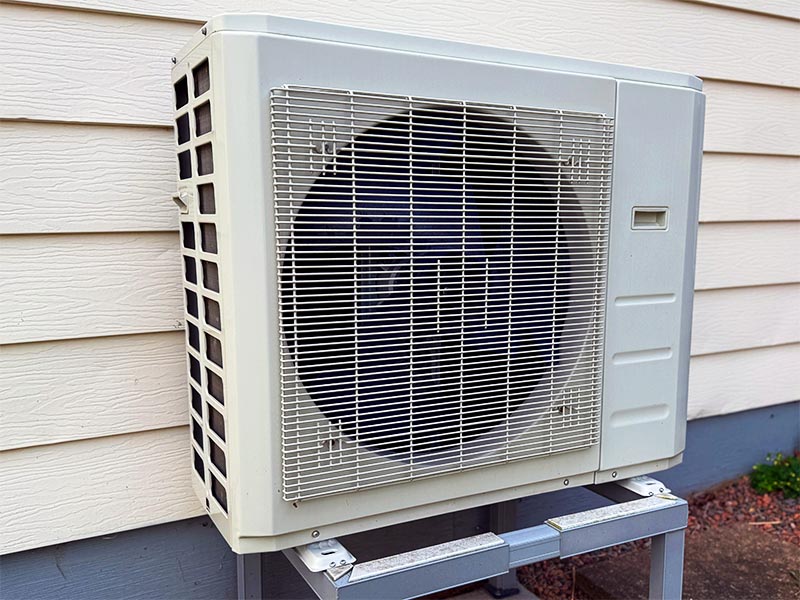
Your outdoor heat pump needs adequate airflow to transfer heat effectively. During fall, leaves, grass clippings, and other debris can accumulate around the equipment, restricting airflow and potentially affecting performance.
Before winter arrives, inspect the area surrounding your outdoor unit and complete these basic tasks:
- Remove leaves, branches, and loose debris.
- Trim vegetation growing near the equipment.
- Maintain the manufacturer’s recommended clearance.
- Check for water dripping from nearby gutters.
- Keep drainage areas unobstructed.
Avoid opening electrical compartments or using sharp objects to remove debris. If dirt has accumulated inside the equipment or around sensitive components, professional cleaning is the safer option.
3. Test Your Thermostat Settings
Your thermostat determines when your heat pump operates and how much heating your home receives. Testing it before winter helps you identify potential control problems before colder weather increases demand.
Switch your thermostat to heating mode and set the temperature a few degrees above the current indoor reading. Allow your system time to respond and confirm that it begins delivering warm air. Remember that heat pumps often supply air that feels less hot than furnace air, even when they’re operating correctly.
If you use a programmable or smart thermostat, make sure it’s compatible with your heat pump and configured for the correct equipment type. Incorrect settings can interfere with heating operation or cause unnecessary auxiliary heating.
4. Check Indoor Vents and Airflow
Even a well-maintained heat pump can struggle to heat your home efficiently when airflow is restricted. Blocked supply registers or return air vents can create uncomfortable temperature differences and increase strain on your equipment.
Walk through your home and make sure furniture, rugs, curtains, and other household items aren’t obstructing vents. Pay attention to areas that consistently feel colder than others, as uneven airflow may indicate problems with your ductwork or heating system.
Avoid closing multiple registers to redirect warm air. This can increase duct pressure and interfere with proper operation, particularly in systems that weren’t designed for individual room zoning.
5. Inspect Your Outdoor Unit for Visible Damage
Your outdoor heat pump is exposed to rain, wind, temperature fluctuations, and other weather conditions throughout the year. A visual inspection can help you identify damage that may affect reliability during winter.
Look for bent coil fins, damaged panels, or deteriorating insulation around exposed refrigerant lines. Make sure the unit appears level and isn’t surrounded by standing water that could create drainage problems during freezing conditions.
Don’t attempt to repair electrical connections, refrigerant lines, or internal components yourself. If you notice visible damage, arrange a professional inspection before your system faces heavy winter demand.
6. Monitor Your Heat Pump’s Defrost Cycle
During cold, damp weather, frost may naturally develop on your heat pump’s outdoor coils. Your system manages this through an automatic defrost cycle, temporarily changing its operation to remove accumulated frost.
You might notice steam rising from the outdoor unit, changes in operating sounds, or the outdoor fan stopping briefly. These behaviors are often normal and don’t necessarily indicate a malfunction.
However, thick ice that remains on the unit or repeated unsuccessful defrost cycles may indicate a problem with sensors, controls, or other components. Never chip away ice or pour boiling water over the equipment, as doing so could cause damage. Persistent freezing should be evaluated by an HVAC professional.
Warning Signs Your Heat Pump Needs Professional Attention
Routine maintenance can prevent some common problems, but certain issues require more than basic cleaning and visual inspections. Changes in heating performance, operating sounds, or electricity consumption can provide clues that something isn’t functioning correctly.
Recognizing these warning signs early gives you an opportunity to schedule service before a minor concern develops into a more serious heating problem.
Unusual Noises During Operation
Your heat pump naturally makes some noise during startup, normal operation, and defrost cycles. However, grinding, screeching, persistent rattling, or loud banging may indicate loose components, motor problems, or mechanical wear.
If your system suddenly starts making unfamiliar sounds, don’t ignore them. Having the equipment inspected can help identify the cause before additional components are affected.
Unexpected Increases in Energy Bills
Your heating costs naturally fluctuate as outdoor temperatures change. However, a substantial increase in electricity consumption without an obvious explanation may indicate declining efficiency.
Dirty coils, malfunctioning controls, and mechanical problems can make your heat pump consume more energy than necessary. Comparing utility bills from similar weather periods may help you recognize unusual changes in system performance.
Inconsistent Heating or Difficulty Maintaining Temperature
If certain rooms remain cold while others feel comfortable, your heating system may not be distributing warmth effectively. Duct leakage, equipment problems, or an improperly operating thermostat can contribute to inconsistent temperatures.
Long heating cycles aren’t necessarily unusual during freezing weather. However, if your heat pump runs continuously without reaching the thermostat setting, a professional evaluation can help determine whether the equipment is operating as intended.
What Happens During Professional Heat Pump Maintenance?
While homeowner maintenance helps keep your equipment in good condition, a professional heat pump tune-up provides a more thorough evaluation of its performance. HVAC technicians have the tools and training needed to inspect components that aren’t safely accessible during routine household maintenance.
At Apple Plumbing, Heating & Air, we help homeowners address heating concerns and maintain dependable HVAC performance. Professional service can identify developing equipment problems and determine whether adjustments or repairs are needed.
Electrical and Mechanical Inspections
Your technician may examine electrical connections, motors, capacitors, contactors, and other components for signs of damage or wear. Electrical measurements can also help identify problems that aren’t noticeable during normal operation.
Finding deteriorating components early may reduce the likelihood of an unexpected shutdown during winter. If a component requires replacement, your technician can explain the problem and recommend appropriate repairs.
Refrigerant and Coil Evaluation
Your heat pump relies on properly functioning coils and a correctly charged refrigerant system to transfer heat efficiently. Dirty coils or refrigerant-related problems can reduce heating performance and place additional strain on equipment.
During a professional inspection, your technician can evaluate coil condition and investigate refrigerant performance concerns when necessary. Because refrigerant circulates through a sealed system, routine refills shouldn’t be needed. Low refrigerant generally indicates a problem that requires diagnosis.
Heating Performance and Control Testing
Professional maintenance also involves evaluating how well your heat pump responds to heating demands. Depending on your equipment, your technician may test thermostat operation, airflow, heating performance, defrost controls, and auxiliary heating components.
These checks help identify issues that may not be obvious during everyday operation. They also provide a clearer picture of your system’s overall condition before winter temperatures place greater demands on it.
How Often Should You Schedule Heat Pump Maintenance?
Because heat pumps provide both heating and cooling, many systems operate throughout much of the year. Regular professional maintenance helps keep your equipment prepared for changing seasonal demands.
Your heat pump should generally receive professional maintenance at least once annually, although some manufacturers and HVAC professionals recommend spring and fall appointments. The appropriate schedule depends on your equipment’s age, usage, condition, and manufacturer requirements.
Scheduling service in the fall is particularly useful because it allows you to address heating-related concerns before the coldest weather arrives. If your equipment is older or has experienced recurring problems, your technician may recommend more frequent inspections.
You should also review your manufacturer’s maintenance instructions and warranty terms. Following the recommended service schedule helps ensure your system receives appropriate care.
How to Improve Your Heat Pump’s Efficiency Throughout Winter
Once you’ve completed your maintenance checklist, a few adjustments to your household habits can help your heating system operate more efficiently. These steps focus on managing heating demand and reducing unnecessary energy consumption.
Maintain Consistent Thermostat Settings
Heat pumps often operate efficiently when maintaining a relatively steady indoor temperature. Making large temperature adjustments can sometimes trigger electric resistance backup heating during recovery, increasing electricity consumption.
Choose a comfortable setting and avoid frequent, dramatic changes. If you have a programmable thermostat, follow the manufacturer’s recommendations to help balance comfort and energy efficiency.
Protect Your Outdoor Unit During Snowfall
Snow accumulation can restrict airflow around your outdoor heat pump. After significant snowfall, carefully remove loose snow from the surrounding area without damaging the equipment.
Make sure defrost water can drain away from the unit, particularly when temperatures fluctuate above and below freezing. Never cover an operating heat pump with a tarp or tightly fitted enclosure, since your equipment needs continuous airflow.
Reduce Heat Loss Throughout Your Home
Your heat pump has to work harder when warm air escapes through poorly sealed windows, doors, or inadequately insulated areas. Improving your home’s ability to retain heat can reduce heating demand and support more consistent indoor temperatures.
Weatherstripping drafty doors, sealing accessible air leaks, and checking attic insulation can help limit unnecessary heat loss. These improvements support your heating system without requiring equipment changes.
Get Your Heat Pump Ready for Winter With Apple Plumbing, Heating & Air
Preparing your heat pump for winter helps protect your comfort, maintain energy efficiency, and reduce the risk of unexpected heating problems. Regular filter changes, outdoor inspections, and professional maintenance can help keep your system operating reliably throughout the colder months.
At Apple Plumbing, Heating & Air, we’re committed to helping you maintain dependable home heating with professional HVAC service and knowledgeable support. Whether your system needs seasonal maintenance or repairs, we’re here to help.
Contact Apple Plumbing, Heating & Air today to schedule heat pump maintenance and make sure your home is ready for winter.